Iran; The Land of Civilization, Nature, and Cultural Diversity | A Look at the Glory of Iran from Borsa Villa
Iran, a country with a history of several thousand years, is located in the heart of Southwest Asia and has long been known as one of the most important centers of human civilization. Iran's special geographical location, between Central Asia, the Middle East, and the coasts of the Persian Gulf, has made this land a crossroads between the East and the West. But what distinguishes Iran is not only geography; it is a combination of history, culture, diverse ethnic groups, four-season nature, and unique art that has made this country one of the most attractive tourism and investment destinations in the region.
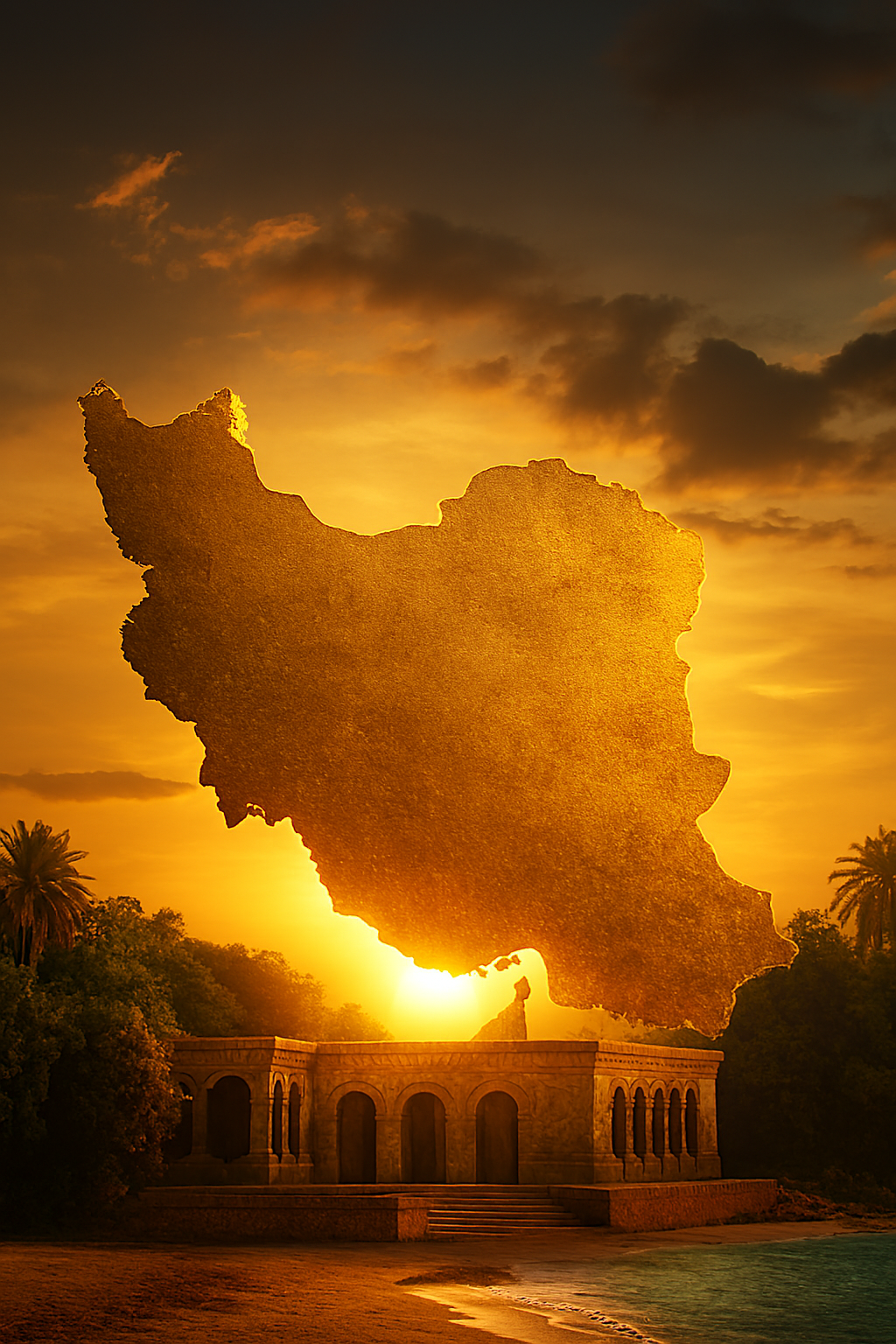
In this article from Borsa Villa, while introducing the unique features of Iran, especially the north of the country, we try to present a complete picture of the cultural, historical, and natural capacities of this land.
Geography and Climate | Iran, the Land of Four Seasons
With an area of more than 1.6 million square kilometers, Iran is the eighteenth largest country in the world. The country is bordered by the Caspian Sea to the north and the Persian Gulf and the Sea of Oman to the south. Its mountainous location and altitude variation have made Iran one of the most diverse countries in the world in terms of climate.
The north of Iran, especially the provinces of Gilan and Mazandaran, has a temperate and humid climate. The Hyrcanian forests in this region are considered to be among the oldest forests in the world and have provided unique landscapes for tourists and real estate investors.
The center of Iran, including provinces such as Yazd and Kerman, is mostly dry and desert. The Lut Desert and the desert plain have given a special look to the nature of this region.
The west of the country is mainly mountainous and cold. The Zagros Mountain Range is located in this part, and cities such as Kermanshah and Sanandaj are located in the heart of these heights.
Southern Iran, due to its proximity to the Persian Gulf, has a warm and humid climate and has always been a center of trade and commerce.
.png)
This climatic diversity has made Iran a country with four seasons; where you can experience both skiing in the AlborzMountains and swimming on the warm southern beaches in the same day.
History and Civilization | From the Achaemenids to Contemporary Iran
Iran is one of the main cradles of human civilization. Since millennia BC, various tribes have inhabited the Iranian plateau. With the rise of the Achaemenid dynasty in the 6th century BC, Iran became the first world empire, stretching from the Indus River in the east to the Mediterranean Sea in the west.
Magnificent capitals such as Pasargadae and Persepolis are symbols of the glory and greatness of ancient Iran.
After that, the Parthians and Sassanids ruled Iran for more than four hundred years and brought Iranian civilization to its peak.
With the arrival of Islam in the 7th century, Iran became one of the most important cultural and scientific centers of the Islamic world. Scholars such as Avicenna, Ferdowsi, Khayyam, and Hafez left lasting traces.
Today, Iran is a blend of ancient heritage and Islamic culture, which is still evident in Iranian architecture, literature, art, and lifestyle.
.png)
Iranian Cuisine | Unforgettable Flavors
One of the most fascinating parts of traveling to Iran is experiencing the authentic and local cuisine. Using aromatic spices, Iranian rice, fresh meat, and seasonal vegetables, Iranian cuisine has created dishes that are unlike any other in the world.
Famous Iranian Dishes:
Chol Kebab Kobideh and Joj Kebab: The most popular Iranian dishes found in any traditional restaurant.
Qorme Sabzi: A green stew with aromatic vegetables, beans, and mutton.
Fasanjan: A traditional stew with walnuts, pomegranate paste, and chicken or meat.
Dizi or Abgousht: A traditional dish with chickpeas, beans, meat and potatoes.
Barberry Polo with Chicken: Iranian rice with red barberry and saffron chicken.
In the north of Iran, local dishes such as Mirza Ghasemi, Ghateg beans, Keteh Kebab and stuffed fish with aromatic vegetables have a special and memorable taste. If you are planning to buy a villa in Mazandaran, experiencing the local cuisine of this region will be an integral part of your lifestyle.
Iranian Hospitality | A Culture That Captures Hearts
One of the distinctive features of Iran that is always noticed by foreign tourists is the hospitality of the people. Tourists are usually surprised by the open and kind welcome of the Iranian people.
In the north of the country, especially in the villa areas of Mazandaran, this hospitality is seen in a more tangible form. Friendly neighbors, a culture of hospitality, and a relaxed lifestyle provide a pleasant environment for living and investing in real estate.
Ethnicities and Languages | The Diversity That Has Enriched Iran
Iran is a multi-ethnic country. In addition to the Persians, other ethnicities such as the Turks, Kurds, Baluchis, Turkmens, Arabs, Gilaks, Mazanis, and Lors live in this land. Each of these ethnicities has its own language, music, dress, and traditions.
The official language of Iran is Persian, but local dialects are prevalent throughout the country. In northern Iran, the Gilak and Mazani languages, along with local music and poetry, form part of the region’s cultural identity.
Art and Literature | A Global Legacy of Iranian Creativity
Iran has always been a cradle of poetry, music, and art. Great poets such as Hafez, Saadi, Rumi, and Ferdowsi have created timeless works that are known not only in Iran but also around the world.
Iranian music, with its original instruments and melodies, holds a special place in the national culture.
Iranian architecture, from ancient palaces to magnificent mosques, is a fusion of art, religion, and aesthetics.
The handmade Iranian carpet, with its intricate designs and natural colors, is a symbol of Iranian elegance and creativity and has a distinguished position in global markets.
Contemporary Iran | A fusion of tradition and modernity
Today's Iran is a combination of ancient traditions and urban modernity. Cities
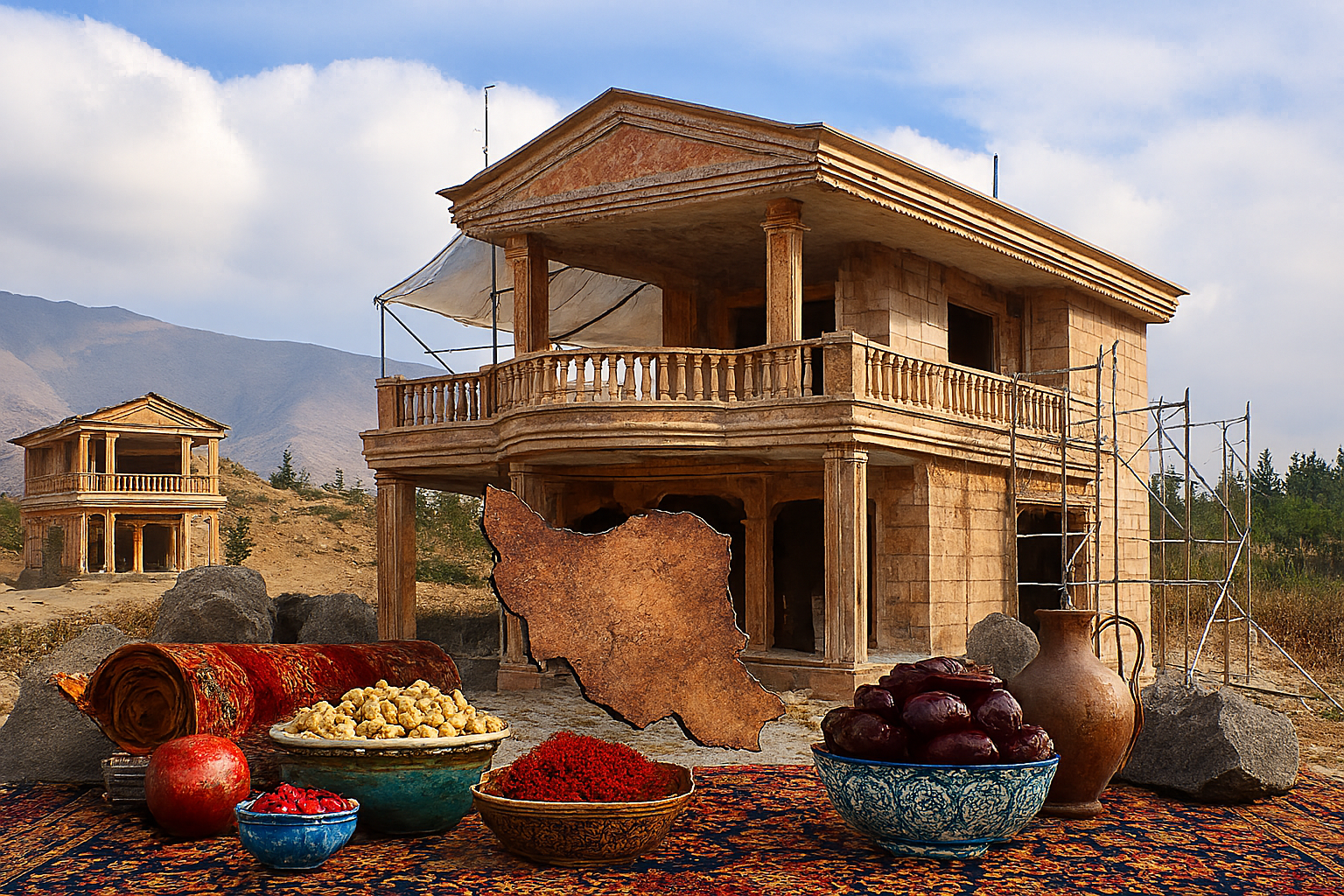
Cities like Tehran, Mashhad, Isfahan, and Shiraz have preserved their historical heritage alongside modern towers and shopping malls.
Iran’s economy is based on oil and gas, but agriculture, handicrafts, tourism, and the real estate market also play an important role in economic development. In the north of the country, the villa buying market in Mazandaran and Gilan has grown significantly due to the climate, pristine nature, and proximity to Tehran.
Iran’s Cultural and Historical Attractions | A Treasure of Splendor and Beauty
Iran has more than 27 UNESCO World Heritage Sites, each representing a part of the history, culture, and art of the land. Some of the most important ones are:
Persepolis: The magnificent capital of the Achaemenids with its huge columns and historical reliefs
Isfahan Naghsh-e Jahan Square: One of the largest historical squares in the world with unique Islamic architecture
Kermanshah Beeston: A stela of Darius the Great that narrates the history of ancient Iran
Pasargad Historical Complex: The tomb of Cyrus the Great and a symbol of respect for human rights in ancient Iran
In addition, Iran is a land of traditional markets, historical caravanserais, old baths and magnificent mosques. The Grand Bazaar of Tabriz, Sheikh Lotfollah Mosque in Isfahan, Vakil Bath in Shiraz and the Grand Mosque of Yazd are among the places that fascinate tourists.
In the north of the country, attractions such as the Hyrcanian forests, the terraced villages of Mazandaran, the shores of the Caspian Sea, and the forest huts of Chamestan and Noor offer a different experience of Iranian nature and culture. These areas are not only very suitable for travel, but also for real estate investment.
Iranian Rituals and Celebrations | A Reflection of the Cultural Spirit of the Nation
One of the reasons why Iran is so attractive to tourists is its traditional rituals and celebrations. These ceremonies are not only religious or cultural in nature, but also provide an opportunity to get acquainted with the social spirit and lifestyle of Iranians.
Nowruz
The celebration of the beginning of the Iranian New Year, which is accompanied by a seven-table dinner, visits, housewarming, and new clothes. Nowruz symbolizes renewal, peace, nature, and family, and is also celebrated in many countries in the region.
Yalda Night
The longest night of the year, which is accompanied by poetry reading, eating watermelon and pomegranates, and family gatherings. Yalda symbolizes the victory of light over darkness and the beginning of winter.
Muharram and Ashura
Shiite religious ceremonies that are accompanied by mourning, offering offerings, and ritual performances. These rituals reflect the depth of beliefs and social solidarity of the Iranian people.
Local Celebrations
In northern Iran, local celebrations such as Nowruzbel in Gilan or rice harvest rituals in Mazandaran reflect part of the region’s indigenous and agricultural culture.
Iran; a land of diversity, opportunity, and life
Iran is a country where the past and present are beautifully intertwined. From towering mountains and tranquil deserts to a rich culture and diverse ethnic groups, Iran has always been inspiring. Its turbulent history, diverse religions and rituals, local languages and music, and enduring works of art and architecture all demonstrate the greatness of this land.
Although Iran has faced many challenges throughout history, it has always been able to maintain its cultural and civilizational identity. That is why the name of Iran in the memory of world history is always associated with splendor, culture and diversity.
Villa Exchange; A bridge between the beauties of Iran and smart investment
Among all the beauties and potentials of Iran, the north of the country—especially Mazandaran province—has a special place. The pristine nature, mild climate, rich culture and proximity to the capital have made this region one of the most popular destinations for tourism and real estate investment.
The “Villa Exchange” site, focusing on buying and selling villas, land and real estate in the forest, coastal and Tehran-populated areas of Mazandaran, has provided a secure platform for your smart choices. If you are looking for the experience of living in the heart of nature, or investing in one of the most dynamic real estate markets in Iran, Villa Exchange is with you.
📞 Contact us now to receive expert advice, view special files, and explore investment opportunities in the north of the country.